

Guide to EV Charger Installation in Pembroke Pines
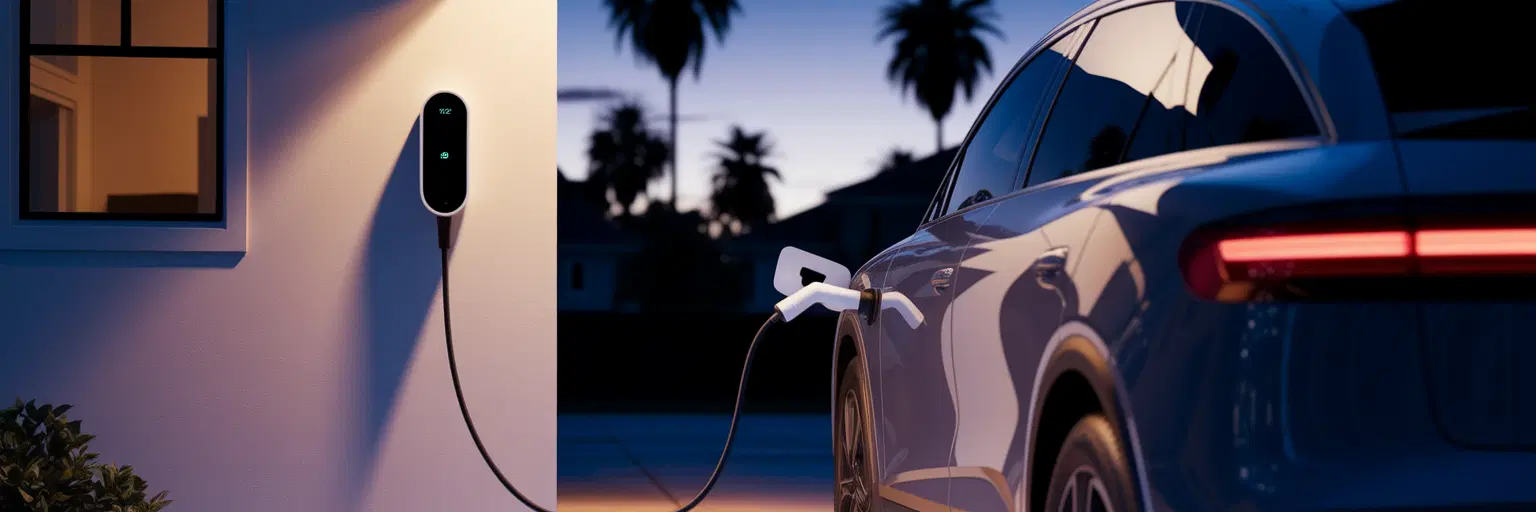
As electric vehicles become a more common sight on the roads of Pembroke Pines, the convenience of home charging is quickly shifting from a luxury to a daily necessity. The real advantage isn’t just avoiding the search for a public station; it’s the simple, seamless routine of waking up to a fully charged vehicle every morning. There is no more planning your day around a charging stop or waiting for an available plug.
A home charger transforms your garage into your personal fuel station, saving you considerable time and effort. Plus, charging overnight often allows you to take advantage of lower, off-peak electricity rates, reducing your overall running costs. This upgrade is part of a larger trend of homeowners modernizing their properties, with many exploring a variety of professional electrical services to enhance their home’s value and functionality.
Level 1 vs. Level 2 Chargers: What’s the Difference?

When choosing a home charger, you will encounter two main options: Level 1 and Level 2. A Level 1 charger is the most basic setup. It comes with your vehicle and plugs directly into a standard 120V household outlet. While simple, its charging speed is extremely slow, adding only about 3 to 5 miles of range per hour. For a fully electric vehicle, this can mean waiting days for a full charge, making it impractical for daily use and better suited as a backup.
The industry standard for homeowners is the Level 2 charger. This unit requires a dedicated 240V circuit, similar to what an electric clothes dryer or oven uses. The difference in performance is significant, with a Level 2 charger adding 25 to 40 miles of range per hour and fully charging most EVs overnight. A Level 2 charger installation is not a DIY project. It requires a licensed electrician to ensure your home’s electrical system can safely handle the increased load. In some cases, a home’s existing panel may not have enough capacity, requiring an electrical panel change to safely accommodate the new charger.
| Feature | Level 1 Charger | Level 2 Charger |
|---|---|---|
| Voltage Requirement | 120V (Standard Outlet) | 240V (Dedicated Circuit) |
| Charging Speed | 3-5 miles of range per hour | 25-40 miles of range per hour |
| Installation | Plug into existing outlet | Requires professional installation |
| Best For | Plug-in hybrids, backup charging | Daily charging for all-electric vehicles |
Budgeting for Your EV Charger Installation
Understanding the home EV charger cost Florida residents can expect is key to planning your project. While you might see low advertised prices for the charger unit itself, a professional Level 2 installation involves more than just the hardware.
In the Pembroke Pines area, a complete installation typically ranges from $700 to $2,000, depending on the specifics of your home.
Several factors influence the final price:
- Distance from Panel: The farther your charger is from your main electrical panel, the more wiring and labor are required, which increases the cost.
- Installation Complexity: Running wires through finished walls, attics, or concrete is more complex than a straightforward installation in an unfinished garage. Trenching for a detached garage also adds to the cost.
- Panel Capacity: Your electrician must confirm your panel can handle the new 30 to 50 amp circuit required for a Level 2 charger.
The most significant potential cost is an electrical panel upgrade. If your current panel is outdated or at capacity, it must be replaced to safely support the charger. This can add $1,500 to $3,000 to the project, but it is a non-negotiable safety requirement. These figures align with industry reports, and as noted by energy market analysts at EnergySage, the final cost is heavily influenced by whether a home’s electrical panel needs an upgrade to handle the additional load.
The Permitting and Inspection Process in Broward County
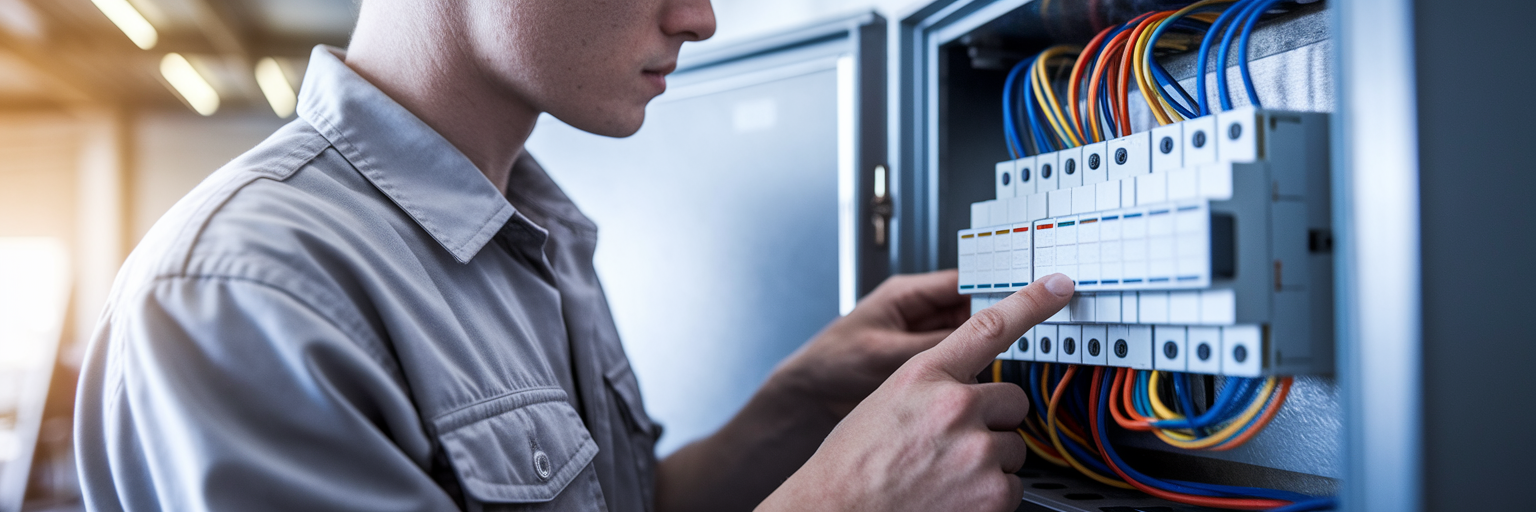
Many homeowners are surprised to learn that installing a 240V Level 2 charger is a significant electrical modification that legally requires a Broward County EV charger permit. This is not a bureaucratic hurdle; it is a critical safety measure designed to protect you, your home, and your investment.
An experienced contractor handles these key steps:
- Load Calculation: Before any work begins, the electrician performs a detailed assessment of your home’s electrical service. This calculation confirms that your system can safely support the continuous load of the EV charger without overloading circuits.
- Permit Submission: Your contractor submits all necessary documents to the county, including the charger’s technical specifications and the load calculation, to obtain the official permit.
- Inspection Coordination: After the installation is complete, the contractor schedules and manages the final inspection with a county official to verify that the work is compliant and safe.
Navigating these local requirements is second nature for an experienced team. This process ensures your installation meets the National Electrical Code (NEC) and all local Florida building codes, protecting you from liability and giving you peace of mind. You can learn more about our commitment to compliant and safe installations that prioritize your family’s well-being.
Weatherproofing Your Charger for the Florida Climate
Installing an EV charger in South Florida presents unique challenges that a generic installation might overlook. Our climate, with its high humidity, intense UV sun exposure, and heavy seasonal rains, demands equipment and installation techniques that can withstand the elements. Simply choosing any charger is not enough; it must be right for our environment.
The first line of defense is selecting an outdoor-rated charger. Look for units with a NEMA 4 or NEMA 4X rating. This is crucial for preventing short circuits and corrosion. Additionally, materials matter. Chargers with UV-stable plastic housing will resist cracking and fading under the relentless Florida sun, while corrosion-resistant connectors ensure a reliable connection for years. This focus on durability is similar to the standards we apply to all our outdoor electrical work, including parking lot and outdoor lighting installations that must withstand the same harsh conditions.
Why Professional Installation Is Non-Negotiable
When it comes to an EV charger installation in Pembroke Pines, the temptation to cut corners with a DIY approach or an unlicensed handyman can be strong. However, this is one project where professional expertise is absolutely essential. The risks associated with an improper installation are serious and far outweigh any potential savings.
Hiring a licensed electrician for EV charger projects protects you from:
- Fire and Shock Hazards: Incorrect wiring, improper grounding, or an overloaded circuit are leading causes of electrical fires and create a severe risk of electrocution.
- Damage to Your Vehicle: A faulty installation can deliver unstable power, potentially damaging your EV’s expensive battery and onboard charging systems, leading to costly repairs.
- Voided Warranties and Insurance: Most vehicle warranties and homeowner’s insurance policies are voided by unpermitted, non-compliant electrical work, leaving you financially exposed.
A professional electrician installs critical safety features like a Ground-Fault Circuit Interrupter (GFCI) for shock protection and ensures the entire system is compliant with all codes. To ensure your installation is safe and handled by experienced professionals, feel free to contact us for a consultation and quote.