

Critical Signs Your Home Needs an Electrical Update Sweetwater, Fl
Electrical wiring and related equipment are consistently identified as a leading cause of home fires in the United States. This isn’t just a statistic; it’s a reality with severe consequences. According to a State Farm analysis of fire data, residential electrical fires result in billions of dollars in property damage and hundreds of fatalities each year. The core of the problem often lies hidden behind our walls, where outdated electrical systems struggle to keep up with modern life.
Many older homes in Sweetwater, FL, were built with 60-amp electrical systems designed for a time with far fewer appliances. Today, our homes run on a constant stream of power for everything from multiple televisions and computers to smart home devices and high-draw kitchen gadgets. This demand can easily overwhelm an old system, which is why modern homes are built with 200-amp service. This growing demand often means a complete system overhaul is necessary, and professional electrical rewiring is the most effective solution to ensure safety and capacity. Understanding the signs of bad wiring in house is the first step toward protecting your property and family from these invisible dangers.
Visible and Audible Warning Signals
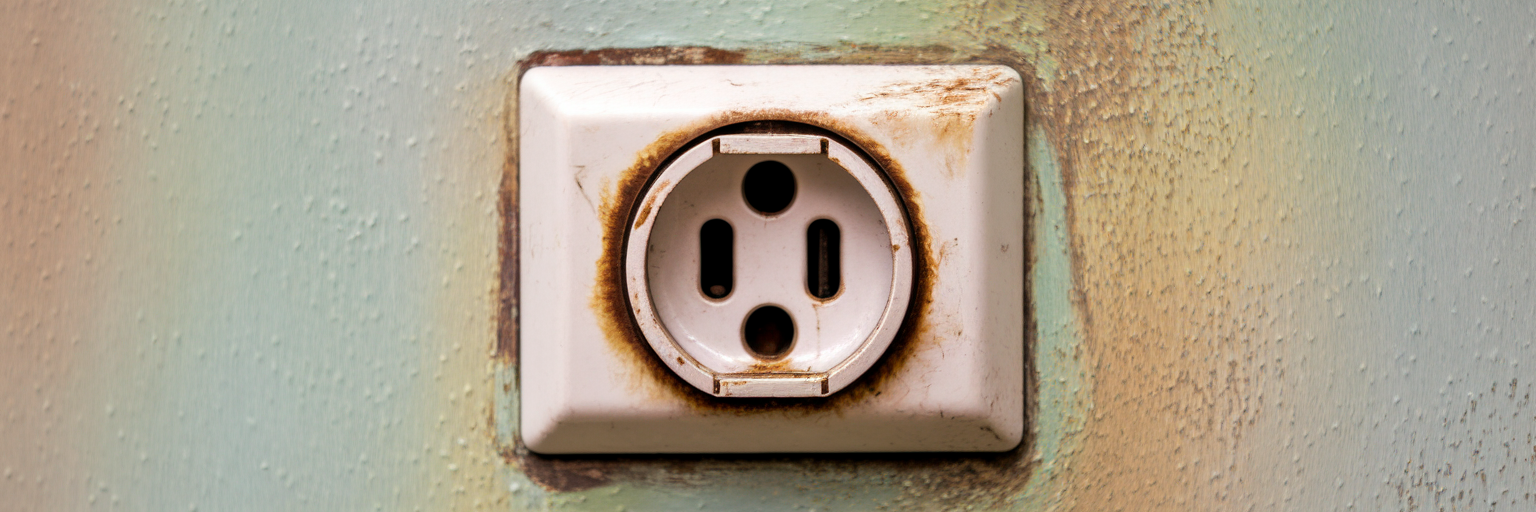
While some electrical problems are hidden, many provide clear, sensory warnings that something is wrong. Your senses are often the first line of defense against an impending electrical failure. We’ve all been in a room and noticed something felt slightly off. Trust that instinct. Paying attention to these signals can help you prevent a disaster before it happens.
Here are some of the most common warnings you can see, hear, or smell:
- Discoloration and Heat: Take a moment to look at your outlets and light switches. Do you see any brown, tan, or black marks around the openings? This discoloration is a telltale sign of dangerous heat buildup from loose or failing connections. An outlet or switch plate that is warm or hot to the touch is a serious red flag indicating an active electrical fault.
- Unusual Noises: Your electrical system should operate silently. If you hear buzzing, sizzling, or crackling sounds coming from outlets, switches, or your breaker box, it points to a problem. These noises often mean electricity is arcing, or jumping between loose connections, which is a direct fire hazard.
- Burning Odors: A distinct smell of burning plastic or hot wiring is an emergency. This odor indicates that wire insulation is melting, exposing live conductors and creating an immediate risk of fire. If you notice this smell, shut off the power at your main breaker panel immediately and call a professional electrician.
System Performance and Reliability Issues
Beyond the immediate sensory warnings, your home’s electrical system will often show signs of strain through its performance. It’s easy to dismiss flickering lights or a tripped breaker as a minor annoyance, but these are often symptoms of a system that is overloaded and struggling to function safely. Think of it like a car engine that sputters when you try to accelerate too quickly; your electrical system is telling you it can’t handle the load.
Frequent breaker trips are a clear indicator that a circuit is consistently drawing more power than it was designed for. While an occasional trip is normal, constant resets mean the system is protecting itself from a dangerous overload. Similarly, flickering or dimming lights, especially when a large appliance like an air conditioner or refrigerator kicks on, suggest unstable voltage from loose or corroded wiring. In many cases, these issues point directly to an outdated or failing panel, making an electrical panel change a critical safety upgrade. Chronic electrical surges that damage your sensitive electronics can also be a symptom of deteriorating internal wiring.
| Warning Sign | What It Typically Means | Potential Underlying Cause |
|---|---|---|
| Frequently Tripped Breakers | The circuit is consistently overloaded. | Too many high-power devices on one circuit or undersized wiring. |
| Flickering or Dimming Lights | Voltage is unstable across the circuit. | Loose connections, corroded wiring, or an overloaded neutral. |
| Chronic Internal Surges | The system cannot regulate power flow properly. | Deteriorating wiring, faulty connections, or a failing electrical panel. |
Note: This table provides common interpretations of electrical issues. A definitive diagnosis requires a professional assessment by a qualified electrician.
Age and Climate Effects on Your Wiring
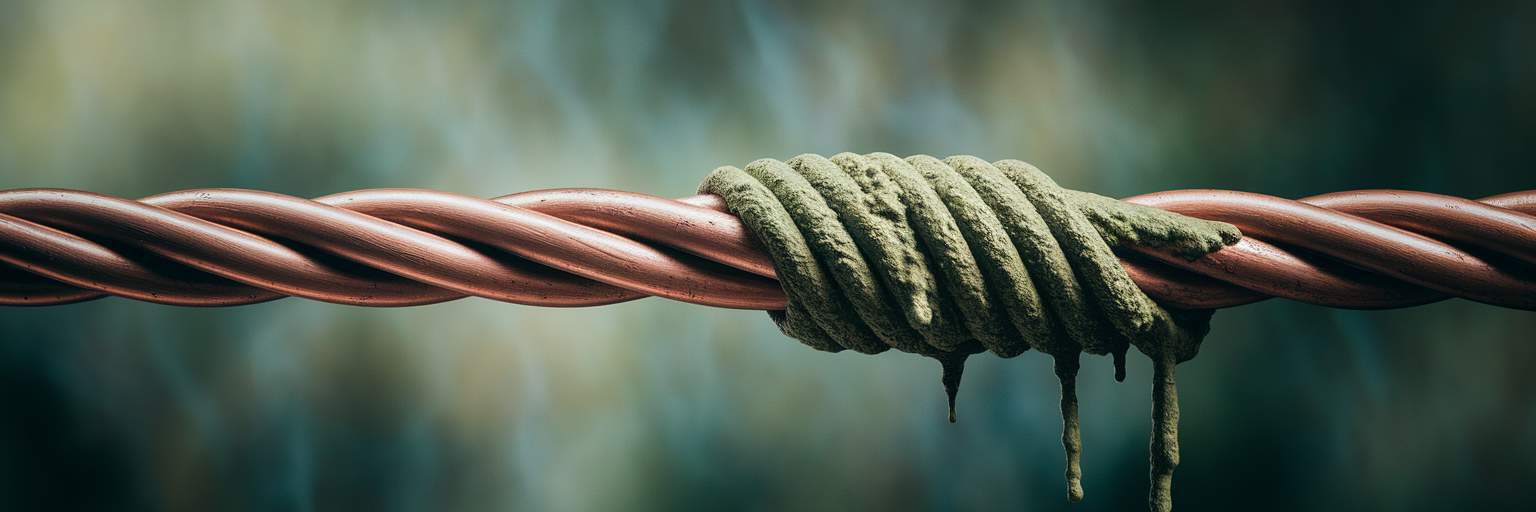
The age of your home is one of the most significant factors in the health of your electrical system. Homes built before the 1990s are at a much higher risk for wiring issues. In particular, houses from the 1960s and 70s may contain aluminum wiring, which is known to expand and contract at different rates than copper, leading to loose and hazardous connections over time. If your home falls into this age bracket, an inspection is not just a good idea; it’s a necessity.
Here in South Florida, our climate adds another layer of stress. The persistent high humidity and salty air in areas like Sweetwater create a perfect environment for corrosion. This moisture attacks electrical connections, terminals, and even the breaker panel itself. Corrosion increases electrical resistance, which in turn generates heat and can lead to connection failure or fire. Furthermore, this constant moisture can make old wire insulation brittle, causing it to crack and flake away. This exposes the live conductors, dramatically increasing the risk of short circuits. These environmental factors make the need for electrical rewiring in Sweetwater, FL, more pressing than in drier, less corrosive climates. Addressing these complex, age-related problems requires a range of professional solutions, and you can explore a full list of our electrical services to see how a licensed contractor can help.
Your Next Steps for a Safer Home
Recognizing the warning signs is the first step, but taking action is what truly protects your home and family. If you’ve noticed any of the issues discussed, it’s time to move forward with a clear plan. Don’t let uncertainty prevent you from ensuring your home’s electrical system is safe and reliable.
Here is what you should do next:
- Acknowledge the Warnings: Acknowledge that frequent breaker trips, flickering lights, hot outlets, burning smells, or simply the age of your home are not minor issues. Even one of these signs is enough to warrant a professional look.
- Call a Professional: Electrical work is not a DIY project. The risks are too high. Only a licensed electrician Sweetwater can safely perform a home electrical inspection Miami to accurately diagnose the health of your system and recommend the correct course of action.
- Understand the Inspection: A professional inspection is a straightforward process. An electrician will examine your electrical panel, test circuits, check for outdated components like aluminum wiring, and identify any fire or safety hazards. This assessment gives you a clear picture of your system’s condition.
Many homeowners worry about the cost to rewire a house Florida, but an inspection is the essential first step to getting a clear, accurate estimate. If any of these signs sound familiar, don’t wait for a minor issue to become a major hazard. Contact a professional for a thorough evaluation and ensure your home is safe and up to code.