

Your Guide to EV Charger Installation Prep in North Miami Beach
Bringing an electric vehicle home is an exciting step, but preparing your property for it involves more than just clearing a parking spot. Many homes in the North Miami Beach area, especially older ones, were simply not designed to handle the sustained electrical demand of an EV charger. Building codes have only recently begun to address this, leaving many properties unprepared for the load of a modern Level 2 charger.
Evaluating Your Home’s Electrical Capacity
Before you can even think about charging, you need to understand your home’s electrical foundation. The first place to look is your main electrical panel. You can typically find it in a garage, utility closet, or on an exterior wall. Look for the main breaker, which is usually the largest switch at the top, and check the number printed on it. This number, often 100A, 150A, or 200A, represents your home’s total service amperage.
If your panel is rated at 100 amps, it’s often insufficient for adding a powerful appliance like an EV charger without risking overloads. This is where a professional load calculation becomes essential. A licensed electrician performs this analysis to measure your home’s total power consumption, from your AC unit to your kitchen appliances, and determines if the panel can safely handle the new charger. It’s a precise step that prevents dangerous guesswork. An electrical panel upgrade for EV charging is often the first and most critical part of the project.
You might need an electrical panel change if you notice these common signs:
- Your main electrical panel is rated at 100 amps.
- The panel is already full, with no empty slots for new breakers.
- The home was built several decades ago and may have outdated wiring.
- You already use other high-demand electric appliances, such as a tankless water heater, electric stove, or a large central AC unit.
Navigating Local Permits and Electrical Codes
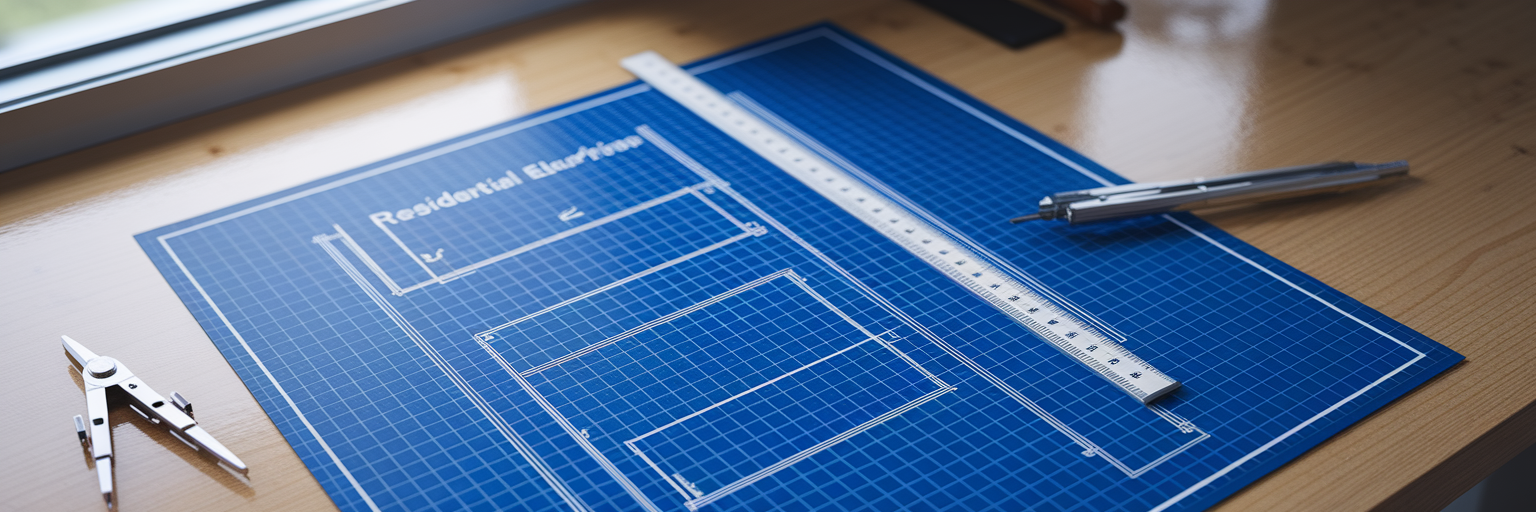
With your home’s capacity assessed, the next step involves navigating the necessary paperwork. Many homeowners are unaware that a 2024 Miami-Dade ordinance now mandates a separate electrical permit for any EV charger installation. This isn’t just red tape. Securing a home EV charger permit Miami requires specific documentation, such as a single-line electrical diagram and proof of proper clearances, to ensure the installation is safe and compliant.
Attempting to bypass this process with unpermitted work can lead to serious consequences. You could face city-imposed fines, and more importantly, your insurance provider could deny a claim in the event of an electrical fire. The National Electrical Code (NEC), which Florida has adopted, exists to prevent these exact scenarios. As highlighted by ENERGY STAR’s guidelines on making a home electric-ready, these standards are in place to protect your property and family.
Think of the permit not as a hurdle, but as a documented guarantee that the work was performed correctly by a qualified professional. It’s your official record of a safe, code-compliant installation that protects your investment and ensures peace of mind.
Selecting the Right Charger and Placement
Once the electrical foundation and legal requirements are clear, you can focus on the charger itself. While you can technically use a standard 120V outlet for Level 1 charging, it’s incredibly slow, adding only a few miles of range per hour. For daily use, a Level 2 charger installation Florida homeowners prefer is the practical standard, as it uses a 240V circuit to charge your vehicle significantly faster.
Where you place the charger matters. Installing it inside a garage and close to your electrical panel is the most cost-effective option, as it minimizes the amount of wiring and labor needed. However, in North Miami Beach, we have to consider a specific environmental factor: flood risk. The NEC requires chargers in flood-prone areas to be mounted at least 18 inches above the ground to prevent water damage during a storm surge. This small detail is crucial for protecting your equipment.
You’ll also need to decide between a hardwired unit and a plug-in style. Each has its own set of trade-offs.
| Factor | Hardwired Charger | NEMA 14-50 Outlet |
|---|---|---|
| Weather Resistance | Superior; permanently sealed from elements | Good, but plug connection can be a point of moisture ingress |
| Efficiency | Slightly more efficient due to direct connection | Minimal power loss, but one more connection point |
| Portability | Fixed to the property; considered a permanent fixture | Charger can be unplugged and taken if you move |
| Flexibility | Dedicated solely to EV charging | Outlet can be used for other 240V appliances (e.g., welder) |
The Physical Installation Process
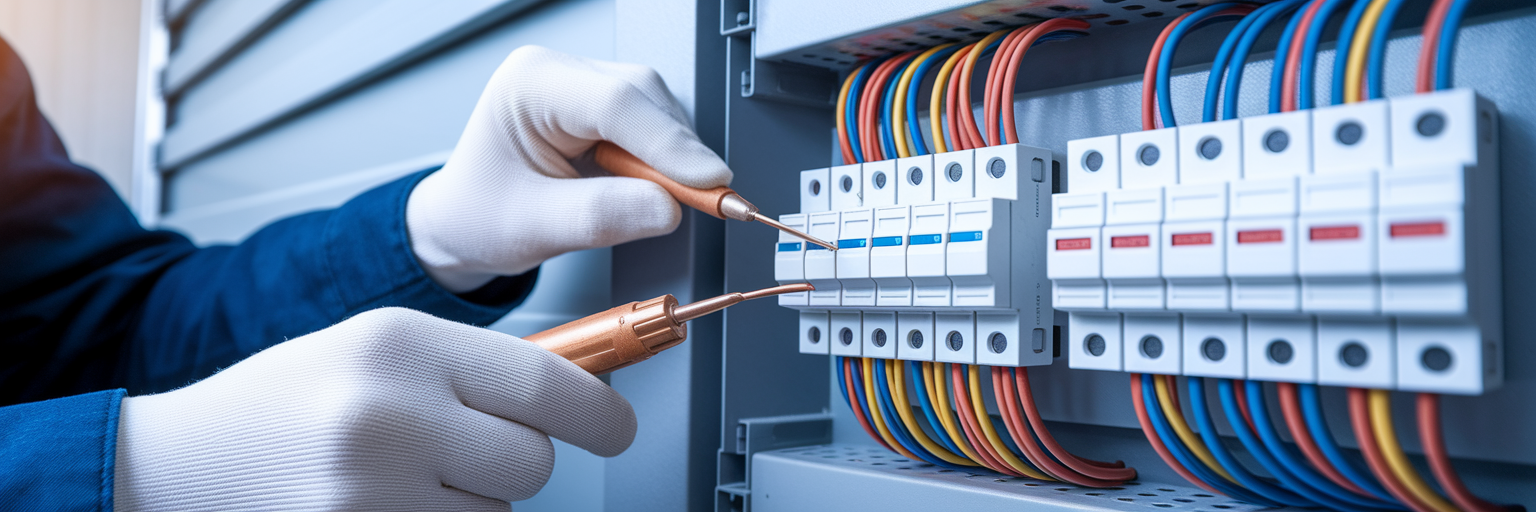
The previous steps set the stage for the actual hands-on work. If a service panel upgrade is needed, it’s a significant job. It involves replacing the main panel box, all the circuit breakers, and often the thick service cable running from the utility meter. This process brings your home’s capacity up to a modern 200-amp standard, ready for an EV and other future electrical needs.
The EV charger installation North Miami Beach requires also involves running a new, dedicated circuit. An electrician will install a new 40-amp or 50-amp double-pole breaker in your panel and run heavy-gauge copper wire inside a protective conduit from the panel to your chosen charger location. This ensures the charger has its own safe, uninterrupted power source.
One common challenge that can affect the project’s cost is trenching. If the wire needs to cross a concrete driveway or patio, cutting and patching the concrete to bury the conduit can be labor-intensive and expensive. In many cases, a less invasive alternative is available. Surface-mounted raceways can be used to protect the wiring along exterior walls, providing a secure and code-compliant path without the need for major excavation. These are just some of the comprehensive electrical services involved in a proper installation.
Using Smart Features and Financial Incentives
A modern EV charger does more than just deliver power. Many are “smart” chargers equipped with Wi-Fi, allowing you to monitor energy use, schedule charging sessions, and start or stop the charger from a smartphone app. This isn’t just about convenience. It’s about saving money. By connecting your charger to your home network, you can take advantage of Florida Power & Light’s (FPL) time-of-use rates, scheduling your car to charge during cheaper off-peak hours overnight.
Financial incentives can also significantly reduce the overall cost. The federal Residential Clean Energy Credit offers a credit for 30% of the equipment and installation costs. Additionally, there are often Florida EV charger rebates available, such as the state’s “Charge Ahead” program, which provides rebates for qualifying ENERGY STAR certified chargers. However, there’s a critical catch: eligibility for these programs almost always depends on using a licensed installer and providing proof of a passed electrical inspection and a closed permit. As we help clients navigate these programs, our goal is to ensure they receive every available benefit, a commitment you can learn more about in our story on our about us page.
Why Professional Installation is Essential
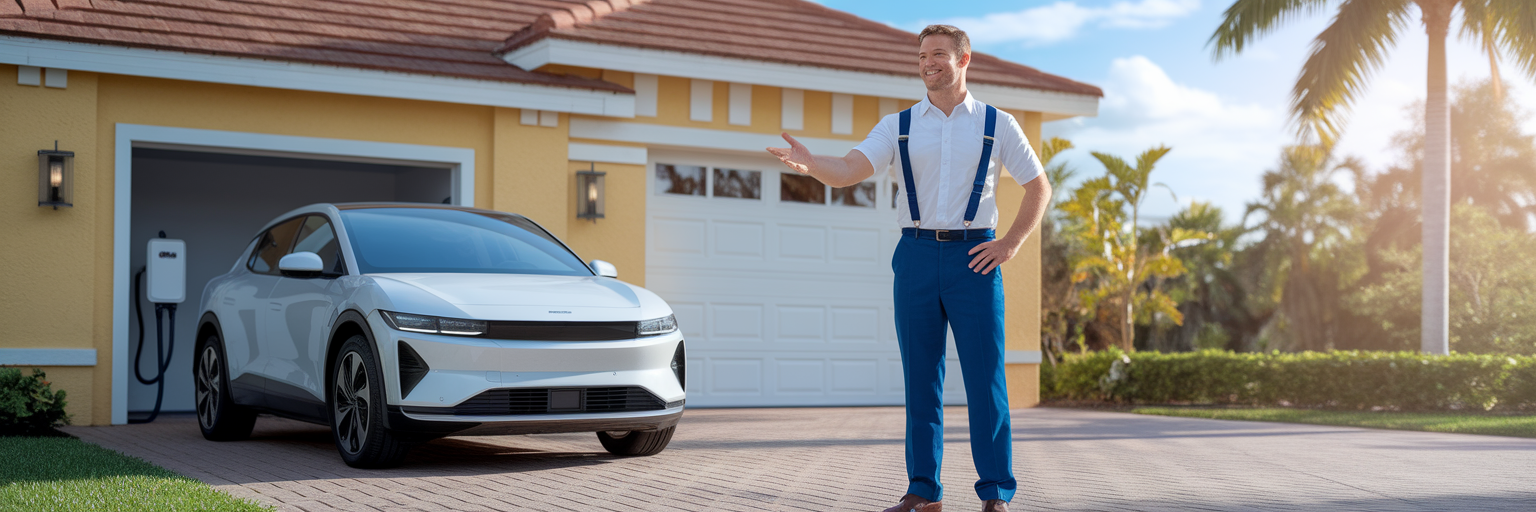
From start to finish, preparing your home for an EV charger is a complex process. It requires an accurate load calculation to ensure your system can handle the demand, careful navigation of North Miami Beach’s specific permit process, and strict adherence to NEC and local flood-zone codes. A DIY approach might seem tempting, but the risks are severe. An improperly installed 240V circuit can lead to fire hazards, electrocution, or even permanent damage to your vehicle’s expensive battery.
A professional electrician handles all these complexities, including coordinating with FPL if a service upgrade is necessary. The cost of a professional installation isn’t just an expense. It’s an investment in safety, compliance, and long-term reliability. It guarantees the work is done right, protecting your home and your new vehicle. Our customers’ positive reviews reflect our commitment to this standard of quality.
Ready to get your home prepared for an electric vehicle? Contact us today for a professional consultation and ensure your installation is safe, compliant, and ready for the road ahead.