


Guide to Rapid EV Charger Installation in Pembroke Pines
As electric vehicles become a familiar sight on the roads of South Florida, home charging is quickly shifting from a luxury to a daily necessity. For homeowners in Pembroke Pines, understanding your options is the first step toward convenient, safe, and efficient charging. This guide breaks down what you need to know to make the right choice for your home and vehicle.
Understanding Your Home EV Charging Options
When you bring home a new EV, you have a few ways to keep it powered up. The choice you make directly impacts how quickly you can get back on the road. Let’s look at the three main levels of charging available to homeowners.
Level 1 charging is the most basic option. It uses a standard 120V wall outlet, the same one you use for a lamp or a laptop. While it requires no special installation, its convenience comes at the cost of speed. Gaining a full charge can take more than 24 hours, making it practical only for occasional top-ups or as a last-resort backup.
For most homeowners, Level 2 charging is the ideal solution. This setup requires a 240V circuit, similar to what an electric dryer or oven uses. The difference is significant. A Level 2 charger can replenish your EV’s battery in 4 to 8 hours, making overnight charging a reliable routine. This is what a professional rapid car charger installation in Pembroke Pines for a residential setting focuses on, providing a perfect blend of speed and practicality.
You may have also heard of DC Fast Charging. These are the ultra-powerful stations you see at public locations, like the EVgo station on S Flamingo Rd. While they can charge a vehicle in under an hour, their immense power requirements and high costs make them unsuitable for home installation. For daily use, a professionally installed Level 2 charger offers the best balance of speed, safety, and value.
Key Factors That Influence Installation Costs
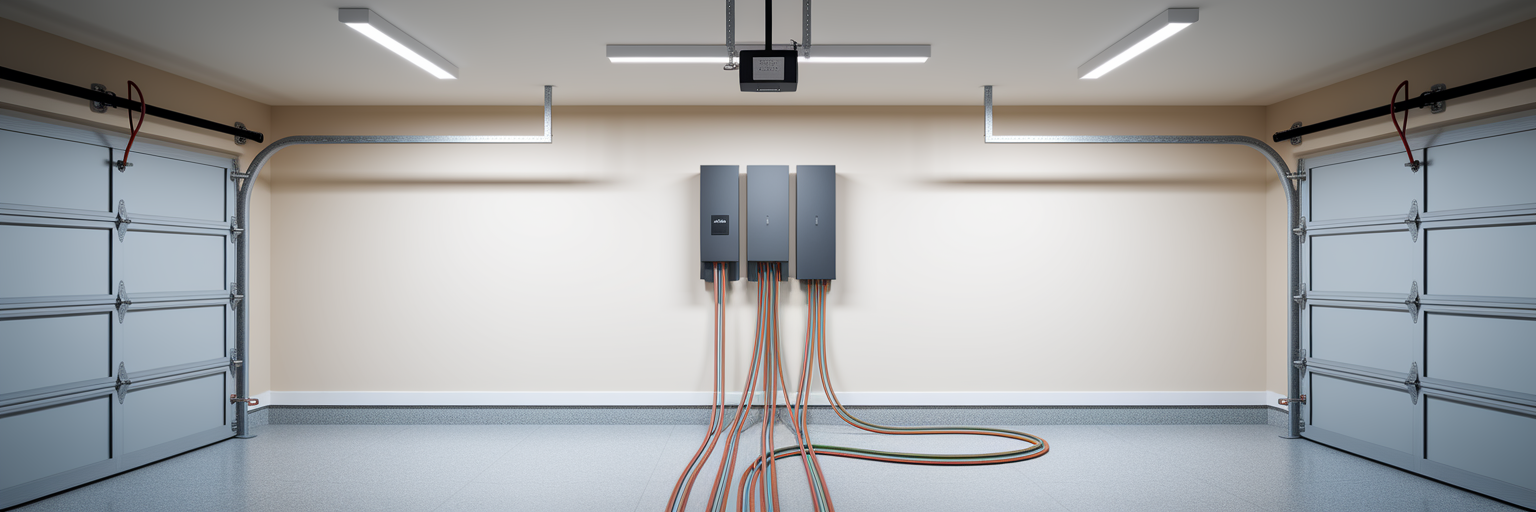
One of the first questions homeowners ask is about the Level 2 charger installation cost. In South Florida, the price can range from under $500 to over $7,000, and it’s important to understand what drives this variation. The price of the charger itself is only one piece of the puzzle; the main factors are related to your home’s existing electrical infrastructure.
The single biggest variable is your home’s electrical system. A modern home with a 200-amp panel often has enough capacity to add a new circuit for an EV charger with minimal fuss. However, an older home with a 100-amp panel may already be near its limit. In this case, a full panel upgrade is necessary before a charger can be safely installed, which accounts for the higher end of the cost spectrum.
The charger’s location also plays a major role. An installation inside a garage, right next to the electrical panel, is the most straightforward and affordable scenario. If you need the charger on an exterior wall or in a detached structure far from the panel, the cost increases due to the additional labor, wiring, and protective conduit required to run the circuit safely.
| Cost Factor | Low-Cost Scenario (Approx. $500 – $1,500) | High-Cost Scenario (Approx. $2,000 – $7,000+) |
|---|---|---|
| Electrical Panel | Modern 200A panel with ample space | Older 100A panel requiring a full upgrade |
| Charger Location | Inside garage, next to the electrical panel | Outdoor wall or far from the panel, requiring trenching |
| Required Wiring | Short, direct run with minimal materials | Long run requiring extensive conduit and labor |
| Charger Hardware | Basic 32A plug-in charger | High-amperage (48A+) hardwired smart charger |
Note: These costs are estimates for the Pembroke Pines area and can vary based on specific site conditions and the contractor chosen. The primary driver of high costs is often the need for an electrical panel upgrade.
Navigating Pembroke Pines Permits and Electrical Codes
With the cost factors in mind, the next critical consideration is safety and compliance. Installing a 240V circuit for an EV charger is not a weekend DIY project. It involves high voltage and requires a permit from the City of Pembroke Pines to ensure the work is performed correctly and inspected for safety.
A licensed electrician is required to follow strict standards, including the National Electrical Code (NEC) and specific Pembroke Pines electrical codes. These regulations govern every detail, from the thickness of the wire to the type of circuit breaker used, ensuring your installation is both safe and reliable.
One of the most important requirements is a dedicated circuit for the charger. Think of your electrical panel as a highway interchange. A dedicated circuit gives your EV charger its own private lane, preventing it from causing traffic jams or overloads with other major appliances like your air conditioner or water heater. This prevents tripped breakers and ensures consistent charging performance.
Another mandatory safety feature is GFCI protection. A Ground-Fault Circuit Interrupter is designed to shut off power instantly if it detects an electrical imbalance, such as contact with water. In Florida’s humid and storm-prone climate, a GFCI breaker is an essential device that protects you and your family from the risk of electrical shock.
Choosing the Right Charging Hardware for Your Vehicle
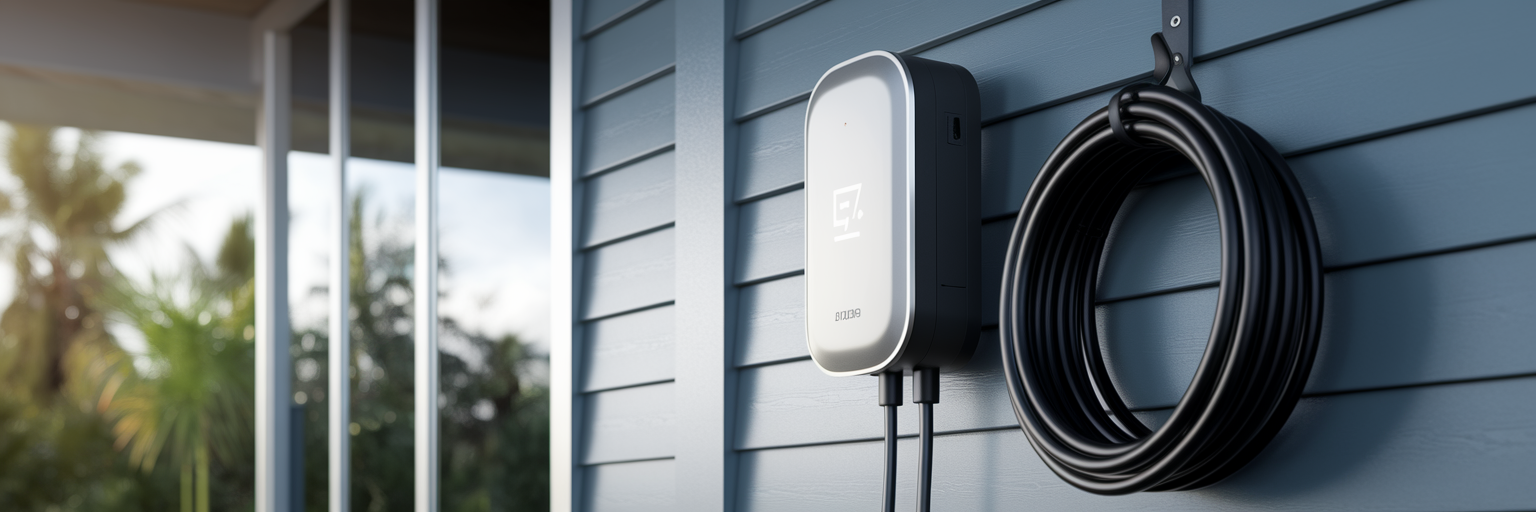
Once you understand the installation requirements, it’s time to select the charger itself. The right hardware depends on your vehicle, your home, and how you plan to use it. Focusing on practical needs will help you make a smart investment.
First, consider vehicle compatibility. Every EV has a maximum AC charge rate it can accept. A car that can only handle 32 amps of power will not charge any faster on a 48-amp charger. Matching the charger’s amperage to your car’s capabilities ensures you are not overspending on power you cannot use.
Next, you’ll choose between a hardwired and a plug-in unit. Each has its advantages.
- Hardwired Chargers:
- Permanently connected to your home’s electrical system.
- Generally considered safer and more durable, with no plugs to wear out.
- Often required for outdoor installations to ensure a weatherproof seal, drawing on expertise similar to that needed for our professional outdoor lighting solutions.
- Plug-in Chargers:
- Plug into a 240V outlet (like a NEMA 14-50).
- Offer portability; you can take the charger with you if you move.
- The outlet itself must be professionally installed with a dedicated circuit and GFCI protection.
Finally, think about connectors and smart features. If you need a Tesla charger installation in South Florida, remember that while Teslas use a unique connector, they come with an adapter for the universal J1772 plug used by most other EVs. “Smart chargers” offer Wi-Fi connectivity, allowing you to schedule charging during FPL’s off-peak hours to save money, track energy consumption, and integrate with your smart home ecosystem.
The Professional Installation Process From Start to Finish
A professional installation process should be transparent and straightforward, giving you confidence from the first call to the final test. Knowing what to expect can make the experience seamless. Here is a step-by-step look at how a qualified electrician handles a home EV charger installation in Florida.
- Initial Site Assessment: The process begins with a consultation. A licensed electrician for EV charger installation will visit your home to inspect your electrical panel, identify the best location for the charger, and discuss your specific needs. Following this assessment, you will receive a detailed and transparent quote with no hidden fees. For a professional consultation, we encourage you to get in touch with our team.
- Installation Day: On the scheduled day, the electrician will perform the main installation. This involves running a new dedicated circuit from the panel to the charger location, securely mounting the hardware, and making all the electrical connections according to code.
- Electrical Panel Upgrade (If Needed): If the initial assessment determines your panel lacks the capacity for a new circuit, this step comes first. The electrician will perform an electrical panel change, replacing your outdated unit with a modern, higher-capacity panel that can safely handle the new load.
- Final Inspection and Testing: After the installation is complete, the electrician will test the charger to confirm it is operating correctly and safely. The final step involves an official inspection by a Pembroke Pines building inspector, who verifies that the work meets all local codes and closes out the permit.
Maximizing Savings with Florida Rebates and Incentives

Investing in a home EV charger can be more affordable than you think. Several programs are available to help homeowners reduce the upfront cost and achieve long-term savings. Knowing where to look for these incentives is key.
Homeowners should start by researching federal tax credits, which can cover a portion of the equipment and installation costs. Additionally, it’s worth checking for any rebates offered by Florida’s Office of Energy for qualifying Level 2 charger installations. As an external resource, SimplyWiredFL provides a helpful overview on how to install an EV charger in Florida, which includes information on incentives.
Local utility providers are another excellent source of savings. FPL often provides bill credits or special off-peak charging rates that can significantly lower your electricity costs over time. An experienced electrical contractor can be a valuable partner in this process. They can help you identify which rebates and credits you are eligible for and ensure all the necessary paperwork is completed correctly, maximizing your financial return.
Why Professional Installation Is a Non-Negotiable Investment
While it may be tempting to cut corners on installation costs, professional work is a non-negotiable investment in your safety and peace of mind. An improper installation is not just an inconvenience; it poses a serious fire hazard and can cause irreversible damage to your vehicle’s expensive battery. It may also void both your homeowner’s insurance policy and your car’s warranty.
A professional installation by a licensed and insured electrician guarantees that your system is compliant with all codes, built to last, and capable of withstanding South Florida’s demanding climate. This prevents the need for costly future repairs and ensures your charger works reliably every time you plug in.
Ultimately, the cost of a professional installation is a small price to pay to protect two of your most valuable assets: your home and your vehicle. The confidence that comes from knowing your charging system is safe, efficient, and correctly installed is the most important return on investment. Our commitment to quality is reflected across all the comprehensive electrical services we provide.