

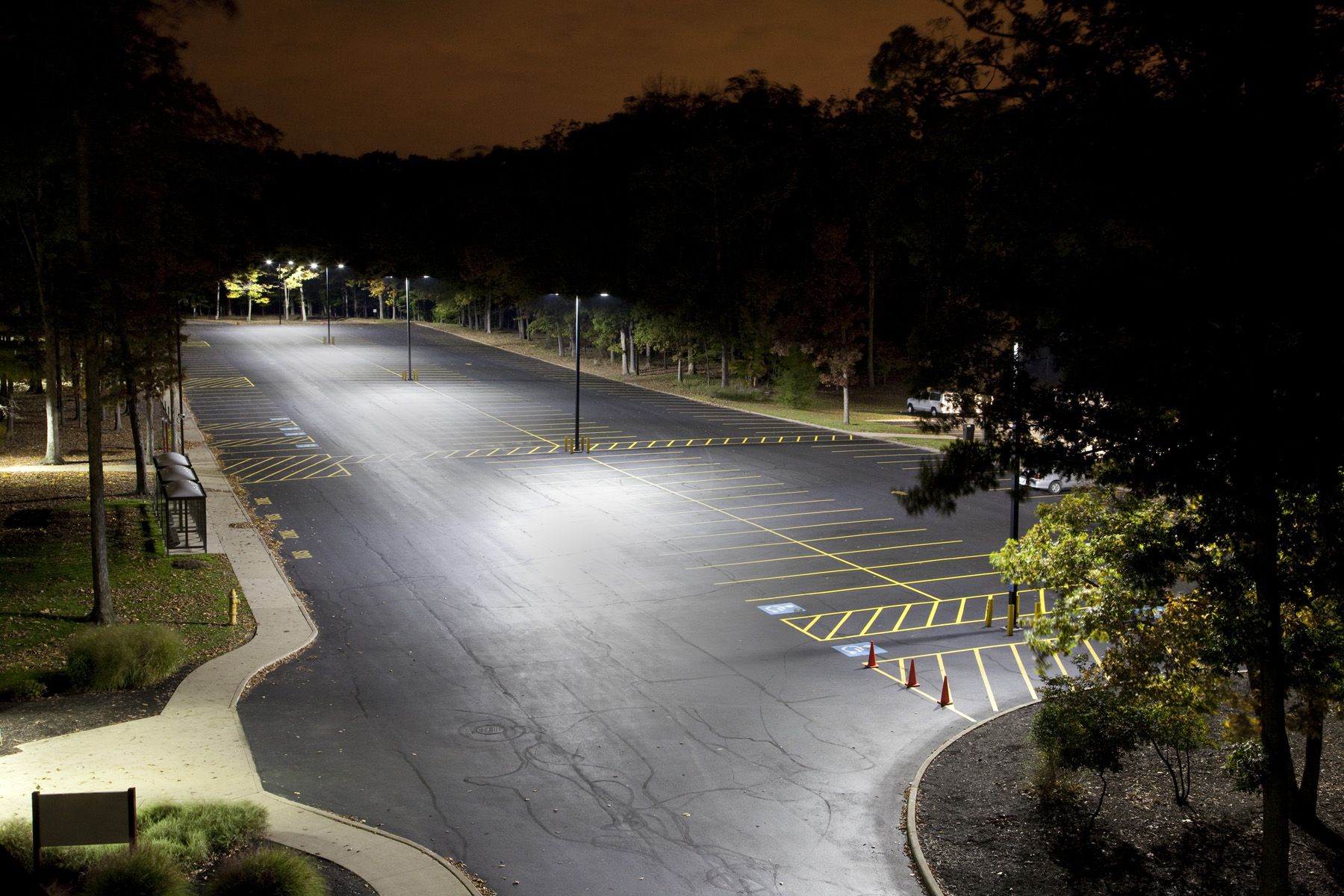
Safer Lots With Parking Lot & Outdoor Lighting in Hollywood
Plan Parking Lot & Outdoor Lighting in Hollywood, FL with guidance on dark zones, LED upgrades, fixture placement, controls, maintenance, and repair needs.
A poorly lit parking lot can create problems long before every fixture stops working. Dark sections between poles, flickering lights near entrances, failed wall-mounted fixtures, or inconsistent coverage can make it harder for drivers and pedestrians to see where they are going after sunset. Outdoor lighting also has to operate through rain, heat, humidity, and regular nighttime use. Pro-Precision Electrical Contracting LLC provides electrical services for residential and commercial properties throughout South Florida, including exterior and parking-area lighting work.
Improving outdoor lighting should start with the property itself rather than simply replacing every fixture with a brighter model. Pole locations, building entrances, sidewalks, parking spaces, landscaping, existing wiring, controls, and the way people move through the site can all influence the lighting plan. The goal is useful, consistent illumination where it is needed without creating unnecessary glare or ignoring electrical problems behind older fixtures.
Find the Dark Zones Before Choosing New Fixtures
The company’s dedicated Parking Lot & Outdoor Lighting service includes parking lot lighting, outdoor fixtures, LED upgrades, pole lights, wall-mounted lighting, floodlights, landscape lighting, maintenance, and repairs.
Before equipment is selected, property owners should inspect how the site looks after dark. One failed fixture may create an obvious dark area, but inconsistent lighting can also develop when older fixtures produce different brightness levels or are aimed poorly.
Entrances, pedestrian paths, parking rows, loading areas, driveways, and building perimeters deserve particular attention because people regularly move through these spaces.
Walking the property after sunset can reveal problems that are difficult to recognize during the day. It can also help distinguish between a fixture failure and a layout that simply does not provide useful coverage.
Brighter Is Not Always Better
Adding more light does not automatically improve a parking lot.
An excessively bright fixture aimed in the wrong direction can produce glare that makes surrounding areas harder to see. Lighting should provide useful visibility across the intended surface rather than create isolated bright spots surrounded by darkness.
Fixture height, beam pattern, mounting angle, and spacing all influence how light reaches the ground.
Businesses should also think about neighboring properties and nearby roadways. Light directed beyond the intended area can become distracting without improving the property itself.
Property owners planning parking lot lighting in Hollywood, FL can benefit from identifying where people actually need visibility before changing fixture output. A targeted lighting plan is usually more useful than simply increasing brightness everywhere.
LED Upgrades Can Change More Than Energy Use
Older parking lots may still use lighting technologies that have different startup times, color characteristics, and maintenance needs from modern LED fixtures.
An LED upgrade can change how evenly an area appears illuminated and may reduce the frequency of lamp replacement depending on the equipment selected. However, fixture compatibility, mounting, electrical supply, and controls still need to be evaluated.
Replacing only the light source without considering the existing housing or electrical components may not always produce the desired result.
Property owners should also compare light distribution rather than focusing only on wattage. Two fixtures using similar amounts of power can illuminate an area differently depending on their design.
The upgrade should therefore be planned around the existing poles and property layout instead of treating every old fixture as an identical replacement project.
Pole Lights Need Inspection From Base to Fixture
A parking lot pole is more than a support for a lamp.
Wiring, access covers, mounting hardware, fixture connections, and the condition of the pole itself can all affect the lighting system. Visible corrosion, physical damage, loose covers, or movement deserve attention during maintenance.
The concrete or mounting area around the base should also remain accessible. Landscaping, stored materials, or vehicles should not permanently block access panels needed for electrical service.
Storms and accidental vehicle impacts can change pole conditions even when the light still operates.
When a fixture begins flickering or repeatedly losing power, troubleshooting should consider the complete electrical path rather than assuming the lamp is the only component involved.
Wall-Mounted Lighting Helps Cover Building Edges
Parking lot poles may illuminate larger open areas, but building-mounted fixtures can provide useful coverage near doors, walkways, loading zones, and exterior walls.
Placement should account for the height of the building and the areas immediately below the fixture. Poorly aimed wall lights can create bright glare near eye level while leaving the ground less evenly illuminated.
Existing electrical connections also need inspection when older fixtures are replaced. Water exposure, damaged housings, loose connections, or deteriorated components should not simply be covered by a new fixture.
Outdoor wall lighting should work with pole lighting rather than compete with it. Coordinating both types can create a more consistent transition from the parking area toward the building entrance.
Controls Affect When the Lights Actually Operate
A well-designed lighting layout provides little value if fixtures do not turn on when needed.
Outdoor systems may use photocells, timers, or other control arrangements to manage nighttime operation. A failed sensor or incorrect timer setting can leave part of the property dark even when the fixtures themselves are functional.
Daylight changes throughout the year can also reveal poorly configured controls. Property managers should occasionally confirm that lights activate and turn off at appropriate times.
When multiple fixtures fail simultaneously, the issue may involve controls or a shared electrical circuit rather than several unrelated lamp failures.
Understanding the control system makes troubleshooting faster and helps avoid replacing fixtures that are not actually defective.
Watch for Water Around Exterior Electrical Equipment
Outdoor electrical systems regularly face rain and moisture, making weather protection an important part of maintenance.
Damaged fixture seals, cracked covers, poorly closed access panels, or deteriorated connections can allow moisture into electrical components. Water should never be treated as a normal condition inside a fixture or electrical enclosure.
If a light begins behaving differently after heavy rain, that timing is worth mentioning during service.
Property owners should not open energized exterior equipment themselves to look for water. Visible damage or recurring failures after wet weather should be evaluated professionally.
The goal is to determine whether the problem involves the lamp, fixture, wiring, control, or another part of the outdoor circuit.
Commercial Lighting Should Match Property Activity
Different commercial sites have different lighting priorities.
A retail parking lot may need clear pedestrian routes between vehicles and store entrances. An office property may focus on employee parking and walkways after evening work hours. Warehouses may need lighting around loading areas, gates, and service entrances.
A system designed around one type of property should not automatically be copied onto another.
For businesses considering outdoor lighting service in North Miami Beach, FL, identifying high-use areas before changing fixtures can make the project more focused. The lighting plan should reflect how vehicles and pedestrians actually move through the site after dark.
Residential Outdoor Lighting Needs Different Planning
The same service page also covers residential exterior and landscape lighting.
Homeowners may want better visibility around driveways, walkways, patios, entrances, gardens, or the perimeter of the house. These areas typically require a different scale and fixture arrangement from a commercial parking lot.
Landscape lighting should highlight useful areas without creating excessive brightness outside windows or toward neighboring properties.
Pathway fixtures, wall-mounted lights, and selected floodlights can serve different purposes, so homeowners should decide what they want the lighting to accomplish before choosing equipment.
A clear goal—such as improving a dark walkway or illuminating an entrance—usually produces a better plan than adding fixtures simply because space is available.
Regular Nighttime Checks Can Catch Failures Early
Outdoor lighting problems are easy to miss during daytime property inspections.
A simple nighttime walkthrough can reveal burned-out fixtures, flickering, uneven brightness, poorly aimed lights, or sections that activate later than the rest of the system.
Commercial property managers can make these checks part of routine exterior maintenance. Recording which pole or fixture has a problem also makes service easier than reporting that “some lights are out.”
Check the surrounding area from ground level as well. Damaged poles, loose covers, exposed components, or vegetation interfering with fixtures can all deserve attention.
Early identification is especially useful when one failed light creates a large dark area.
Coordinate Lighting With Cameras and Landscaping
Outdoor lighting can interact with other property systems.
Security cameras need usable nighttime visibility, but a fixture shining directly toward a camera can create glare and reduce image quality. Lighting and camera placement should therefore be considered together when both systems are being updated.
Trees and landscaping can also affect coverage. A fixture installed with a clear beam today may become partially blocked as branches grow.
Property managers should consider mature landscaping during placement rather than only current conditions.
When exterior remodeling, new signage, fencing, or parking changes are planned, reviewing the lighting layout at the same time can help avoid creating new shadows or obstructed fixtures.
Conclusion
Parking Lot & Outdoor Lighting should provide useful nighttime visibility across the areas where people drive, walk, enter buildings, and perform regular property activities. Dark zones can result from failed fixtures, poor placement, electrical problems, controls, or outdated equipment, so the cause should be identified before upgrades begin.
In Hollywood, commercial property owners can benefit from checking parking rows, entrances, walkways, and pole-light performance after dark. In North Miami Beach, the same approach can help businesses and homeowners decide where fixture replacement, LED upgrades, repairs, or improved placement may be appropriate.
Pro-Precision Electrical Contracting LLC provides parking lot and exterior lighting work as part of its electrical services. Evaluating the existing system, choosing fixtures around actual coverage needs, and performing regular nighttime checks can help keep outdoor lighting more consistent and practical.
Frequently Asked Questions
What types of Parking Lot & Outdoor Lighting does the company provide?
The service page covers commercial parking lot lighting, pole lights, wall-mounted fixtures, floodlights, LED upgrades, residential outdoor lighting, landscape lighting, maintenance, and repairs.
Why is part of my parking lot still dark even though all the lights work?
Fixture spacing, mounting height, beam direction, landscaping, or poor light distribution can create dark areas even when every fixture operates. The complete layout should be evaluated.
Can old parking lot lights be upgraded to LED fixtures?
Yes, LED upgrades are included in the company’s outdoor lighting services. Existing poles, wiring, mounting, controls, and fixture requirements should be reviewed before replacement.
Why do outdoor lights sometimes fail after heavy rain?
Moisture may affect damaged fixtures, connections, wiring, controls, or electrical enclosures. Recurring problems after wet weather should be professionally evaluated rather than repeatedly replacing bulbs.
How often should commercial outdoor lighting be checked?
There is no single schedule for every property, but regular nighttime walkthroughs can help identify outages, flickering, alignment problems, or dark areas before several fixtures fail.
Should security cameras and outdoor lighting be planned together?
They can benefit from coordination. Proper illumination can support camera visibility, while poorly aimed fixtures can create glare. Fixture and camera positions should account for one another.