

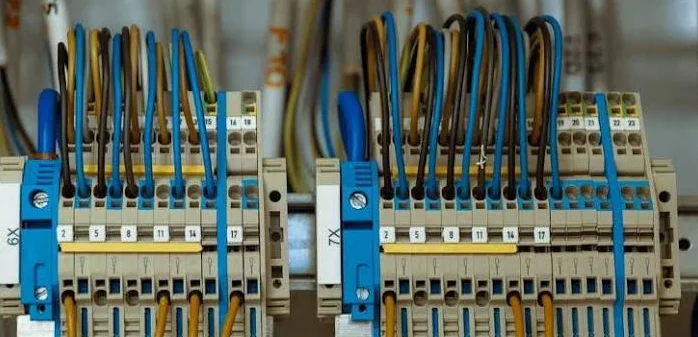
Electrical Wiring in Miami, FL: When Your Home Needs an Update
Stay safe and up to code with expert electrical work. Electrical wiring in Miami, FL from a licensed team keeps your home running and your family protected.
Your lights flicker when the AC kicks on. The breaker trips every time you run the microwave and the toaster at the same time. You have two-prong outlets in a house full of three-prong devices, and you are pretty sure the previous owner did some of the wiring himself with whatever was on sale at the hardware store. You are not imagining the danger. Pro-Precision Electrical Contracting LLC has been handling electrical wiring in Miami, FL for years, and the truth is: outdated or amateur wiring is one of the leading causes of house fires in older Miami homes. If your electrical system is struggling, it is telling you something.
What Electrical Rewiring Actually Involves
Electrical rewiring is the replacement of outdated, damaged, or undersized wiring, panels, outlets, and switches to meet current safety standards and handle modern electrical loads. The process includes a full home assessment, load calculation, panel upgrade if needed, replacement of aluminum or knob-and-tube wiring, installation of grounded outlets, arc-fault and ground-fault circuit interrupters, and proper grounding of the entire system. Trusted Electrical wiring in Miami, FL where the humidity accelerates corrosion and the electrical demand from air conditioning, pool equipment, and modern appliances is relentless, the wiring must be built for the climate, not just the code of the era when the house was built.
In Miami, we have noticed that most homeowners assume their wiring is fine because the lights turn on and the breakers do not trip constantly. That is not a reliable indicator. Aluminum wiring from the 1960s and 1970s expands and contracts with temperature changes, which loosens connections at outlets and panels. Knob-and-tube wiring from the 1940s and 1950s has no ground wire and cannot handle modern loads. Even copper wiring from the 1980s can degrade in Miami’s salt air if the insulation was not rated for humid conditions. A professional assessment looks at what is behind the walls, not just what works today.
The scope of rewiring varies. A partial rewire addresses specific circuits that are overloaded or damaged. A whole-home rewire replaces every conductor, outlet, switch, and the main panel. The decision depends on the age of the home, the condition of the existing wiring, your current and future electrical needs, and whether you are planning renovations that will open walls anyway. A good electrician explains the options without pushing the most expensive one.
The Real Challenge in Miami
Miami’s electrical infrastructure faces pressures that inland cities do not. The salt air corrodes metal components faster than dry climates. The near-constant demand for air conditioning means panels and circuits run hot for months at a time. The high water table and frequent heavy rains create flooding risks that can submerge outdoor panels and damage underground feeders. Many homes Professional Electrical wiring in Miami, FLCounty were built during the post-war boom, the Cuban immigration wave of the 1960s, or the 1980s cocaine-era construction surge — each period with its own wiring standards, materials, and common shortcuts.
A client in Miami reached out when they smelled burning plastic near their kitchen outlet and noticed the wall plate was warm to the touch. The previous owner had added a kitchen extension in the 1990s and tied it into a 15-amp circuit that already served the refrigerator, the dishwasher, and three outlets. The aluminum wiring had loosened at the connection, created resistance, and started arcing behind the drywall. We had to open the wall, replace the damaged section, run a dedicated 20-amp circuit for the kitchen, upgrade the panel to handle the additional load, and install arc-fault breakers throughout the house. The client was lucky they caught it before it ignited.
Here is the objection most electrical contractors never answer: homeowners worry that a full rewire means tearing open every wall, destroying their finishes, and living in a construction zone for weeks. That fear is overstated for most jobs. A skilled electrician can fish new wiring through existing conduits, use attic and crawl space access points, and minimize wall openings. In homes with plaster or concrete block construction — common in Miami — the approach is different than in wood-frame houses, but it is still manageable. The key is planning the path before cutting anything. A contractor who starts demolishing without a routing plan is not saving you money. They are creating unnecessary repair costs.
How Pro-Precision Electrical Contracting LLC Approaches It Differently
We start every job with a full electrical audit, not a quick visual scan. Our licensed electricians test every outlet for proper grounding, measure voltage drop under load, inspect the panel for signs of overheating or corrosion, and calculate whether your service size matches your actual demand.Affordable Electrical wiring in Miami, FL where many homes still have 100-amp service panels from the 1970s, this step prevents the dangerous overloads that happen when homeowners add central AC, electric vehicle chargers, or pool heaters without upgrading the main service.
Working with clients in Miami, our team found that the most common hidden problem is improper grounding in homes with concrete block construction. The original ground rod may have corroded in the salty soil, or the grounding electrode conductor may have been damaged during landscaping or foundation work. Without a proper ground path, a fault in any appliance can energize the entire metal framework of the house. We test ground resistance with a fall-of-potential meter and replace corroded rods with copper-clad steel driven to proper depth. Most competitors skip this test because it requires specialized equipment and extra time.
The competitor gap here is straightforward but rare: we provide a written load calculation and a future-proofing recommendation with every rewire. Most electricians replace what is there and call it done. We look at what you are adding next — the EV charger, the home office, the addition — and size the panel and circuits for that demand. It costs slightly more upfront to install a 200-amp panel with spare breaker spaces instead of a 150-amp panel that is full the day it is installed. Over five years, that foresight saves you a second panel upgrade.
We also handle permitting and inspection coordination ourselves. Miami-Dade County has strict electrical codes, and the permitting process requires detailed plans, load calculations, and proof of contractor licensing. Some handymen and unlicensed operators skip permits to keep costs down. That puts you at risk of fines, insurance denial if there is a fire, and the cost of ripping out unpermitted work to bring it up to code. We pull the permit, schedule the inspection, and make sure the work is documented and legal.
Practical Tips: What to Know Before You Decide
Before you hire an electrician, ask for their Florida Electrical Contractor license number and verify it with the state. Ask whether they carry general liability and workers’ compensation insurance. Ask for references from recent rewiring jobs in Miami, not just general electrical repairs. A legitimate contractor will provide all three without hesitation. Anyone who hesitates or makes excuses is not worth the risk.
In Miami, we have noticed that most homeowners do not realize their homeowner’s insurance may require an electrical inspection before renewal if the home is over 40 years old. Many carriers are now flagging aluminum wiring, Federal Pacific panels, and ungrounded outlets as unacceptable risks. A professional rewire with proper documentation can lower your premiums and prevent a non-renewal notice. Ask your insurance agent what they require, then hire an electrician who understands those requirements.
One local market-specific tip: Miami’s frequent thunderstorms and lightning strikes make whole-house surge protection essential, not optional. The power grid in South Florida is vulnerable to storm-induced voltage spikes that can destroy appliances, electronics, and HVAC systems. We install surge protective devices at the main panel and point-of-use protectors at sensitive equipment. Most electricians treat surge protection as an upsell. We treat it as standard because we have seen too many homes lose $10,000 in appliances from a single storm.
Also, do not assume that adding a subpanel solves an overloaded main service. A subpanel distributes circuits more conveniently, but it does not increase the total amperage coming into the house. If your main panel is already at capacity, adding a subpanel is like adding more lanes to a highway that still has the same on-ramp. You need a service upgrade, not just more breakers. Any electrician who recommends a subpanel without calculating your total load is not solving your problem.
Getting Your Miami Home’s Wiring Right
Your electrical system is the nervous system of your home. When it is outdated, overloaded, or improperly grounded, every appliance you plug in and every switch you flip is a potential hazard. The right rewire does not just fix what is broken. It brings your entire home up to modern safety standards and prepares it for the demands of the next decade.
Pro-Precision Electrical Contracting LLC handles electrical wiring in Miami, FL with a focus on honest assessments, code-compliant installations, and future-proofing that saves you from repeated upgrades. If your lights are flickering, your breakers are tripping, or you just want to know whether your home’s wiring is safe, schedule a full electrical audit and see what a professional evaluation actually reveals.
FAQs
How much does electrical rewiring cost in Miami, FL?
A partial rewire for specific circuits typically runs $3,000 to $8,000. A whole-home rewire for a 2,000-square-foot house usually costs $8,000 to $20,000 depending on accessibility, panel upgrades, and the condition of existing wiring. We provide itemized estimates after inspection so you understand every charge.
How do I know an electrician is actually licensed and legit?
Verify their Florida Electrical Contractor license through the state Department of Business and Professional Regulation. Ask for proof of general liability and workers’ compensation insurance. Request references from recent rewiring jobs in Miami-Dade County. A qualified electrician will provide all three immediately.
How long does a full home rewire take?
Most whole-home rewires take five to ten days depending on house size, construction type, and whether walls need repair after fishing wire. Concrete block homes in Miami often take longer than wood-frame houses because routing through block requires different techniques. We provide a realistic timeline before starting.
Will I need to move out during a rewire?
Usually not for a partial rewire. For a whole-home rewire, you may need to relocate for two to three days when the main panel is being upgraded and power is completely shut off. We schedule this phase to minimize disruption and restore essential circuits as quickly as possible.
Does aluminum wiring always need to be replaced?
Not always, but it almost always needs remediation. Aluminum wiring itself is not inherently dangerous, but the connections at outlets, switches, and panels loosen over time and create fire hazards. The safest approach is full replacement with copper. In some cases, COPALUM crimping or AlumiConn connectors can remediate specific junctions. We assess each home individually and recommend the safest, most cost-effective solution.