
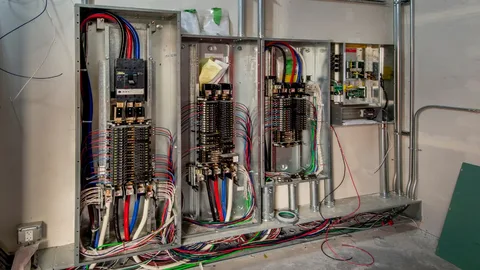
Professional Electrical Panel Installation in Homestead, FL
Learn when electrical panel installation in Homestead, FL may be needed, including warning signs, replacement, upgrades, capacity, safety, and planning.
An electrical panel controls how power is distributed throughout a home, so problems at the panel can affect lighting, outlets, appliances, HVAC equipment, and other circuits. Pro-Precision Electrical Contracting LLC approaches panel work by reviewing system capacity, breaker condition, wiring, grounding, and the electrical demands of the property. Homeowners considering electrical panel installation in Homestead, FL should understand when a new panel is needed and how capacity affects future electrical use.
In Palmetto Bay, FL, homeowners planning an electrical panel replacement may also need to think about older equipment, repeated breaker trips, new appliances, remodeling, or increased power demand.
A panel should support the home safely without forcing circuits to operate near their limits.
What Electrical Panel Installation Should Include
Professional electrical panel installation in Homestead, FL should involve more than replacing the metal enclosure on the wall.
The electrician needs to evaluate how power enters the property and how the panel distributes that power across individual circuits.
Important considerations include:
- Main service capacity
- Breaker condition
- Existing wiring
- Grounding and bonding
- Number of available circuit spaces
- Appliance loads
- HVAC equipment
- Future electrical additions
- Panel location
- Service entrance components
- Local electrical requirements
These details help determine whether the project involves a direct replacement or a broader electrical upgrade.
Electrical Panel Installation Becomes Necessary
Electrical panel installation may become necessary when the existing panel can no longer support the home’s electrical needs or when the equipment has reached the end of its useful service life.
Repeated tripping, damaged components, corrosion, overheating, or a lack of circuit capacity can all justify closer evaluation.
A new panel can also become part of a larger electrical project when homeowners add major appliances, renovate the property, or increase the total power demand.
Electrical Panel Replacement in Palmetto Bay, FL
An electrical panel replacement in Palmetto Bay, FL may make sense when the existing panel has physical damage, limited breaker space, aging components, or performance problems.
Replacement does not always mean increasing the electrical service size.
In some cases, the goal is to replace worn or outdated equipment while keeping a similar capacity. In other situations, the property may need a larger service because the electrical load has increased.
The condition of the existing wiring and service equipment should guide the decision.
Replacement vs. Upgrade: What Is the Difference?
Panel replacement and panel upgrade are related, but they are not always the same project.
| Project Type | Main Purpose | Key Consideration |
| Panel Replacement | Replace aging or damaged equipment | Existing service capacity |
| Panel Upgrade | Increase available electrical capacity | Total household load |
| Breaker Replacement | Correct individual breaker problems | Panel compatibility |
| Circuit Addition | Support new equipment | Available panel space |
| Service Upgrade | Increase incoming power capacity | Utility and service equipment |
Understanding the difference helps homeowners plan around the actual electrical need.
Warning Signs the Panel Needs Attention
Electrical panels often show signs of trouble before a complete failure occurs.
Homeowners should watch for:
- Breakers that trip repeatedly
- Burning odors
- Buzzing or crackling sounds
- Warm panel surfaces
- Visible rust or corrosion
- Scorch marks
- Loose breakers
- Flickering lights during appliance use
- Limited room for additional circuits
- Frequent electrical issues in several areas
These symptoms can have different causes, but they should not be ignored.
Electrical panel problems can involve high current and should receive qualified evaluation.
Electrical Panel Upgrade for Growing Power Demand
An electrical panel upgrade may become necessary when the home’s electrical use increases beyond what the existing service was designed to support.
Modern homes may use more electrical equipment than they did when the original panel was installed.
New loads can include:
- Larger HVAC systems
- Electric ranges
- Water heaters
- Home office equipment
- Garage equipment
- Additional lighting
- Major kitchen appliances
- Electric vehicle charging
- New additions or remodeled rooms
The electrician should evaluate the complete load rather than assuming an upgrade is required because one new device has been added.
Why Available Breaker Space Matters
A panel can appear to function normally while still having little room for future expansion.
Each new circuit needs a suitable breaker position unless the panel and design support another approved configuration.
A lack of space can become an issue during remodeling.
For example, a new kitchen, workshop, HVAC system, or addition may require dedicated circuits that the current panel cannot accommodate.
Planning ahead can prevent the electrical panel from becoming a limitation during later projects.
Grounding and Bonding Need Proper Review
Grounding and bonding are important parts of the electrical system.
They help provide safe paths for electrical faults and support proper operation of protective devices.
During panel work, these connections should be reviewed along with the breakers and service conductors.
Older installations may have configurations that differ from current requirements.
Homeowners should avoid treating grounding as an optional detail because it works together with the rest of the electrical system.
Common Electrical Panel Planning Mistakes
One common mistake is choosing a larger panel without evaluating the actual service capacity.
A bigger enclosure does not automatically provide more available power.
Another mistake is adding circuits without calculating the additional electrical load.
Homeowners should also avoid assuming that repeated breaker trips mean the breaker itself is defective. The circuit may be overloaded or another electrical problem may exist.
Other mistakes include:
- Ignoring corrosion
- Blocking access to the panel
- Using incompatible breakers
- Overlooking grounding issues
- Adding equipment without checking load
- Waiting after signs of overheating appear
Good planning starts with understanding the entire system.
Practical Steps Before Panel Work Begins
Homeowners can prepare for a panel project by gathering basic information about the property.
Before installation or replacement:
- Note any frequently tripped breakers.
- List major electrical appliances.
- Identify upcoming remodeling plans.
- Consider future electrical equipment.
- Keep the panel area accessible.
- Review previous electrical repairs if known.
- Note any burning smells or unusual sounds.
- Discuss whether additional circuits may be needed later.
This information helps the electrician understand both current and future demand.
Best Practices for Long-Term Panel Use
Homeowners should keep the area around the electrical panel clear and accessible.
The panel should not be blocked by permanent storage, furniture, or other obstacles.
Breaker labels should also remain accurate.
Clear labeling can make it easier to identify circuits during maintenance or troubleshooting.
Homeowners should also pay attention to changes in system behavior. New buzzing, heat, odors, corrosion, or frequent breaker trips deserve attention.
Major electrical additions should be evaluated before installation so the panel does not become overloaded.
Conclusion
Planning electrical panel upgrades requires attention to service capacity, breaker space, wiring condition, grounding, appliance loads, and future electrical needs. Replacement may solve problems with aging equipment, while an upgrade may be necessary when the property requires additional power capacity.
For homes in Homestead and Palmetto Bay, Pro-Precision Electrical Contracting LLC can evaluate panel conditions based on the existing system and the electrical demands of the property. Careful planning helps create an electrical setup that supports both present use and future improvements.
FAQ
How do I know if my electrical panel needs replacement?
Repeated breaker trips, corrosion, burning odors, heat, damaged components, or limited breaker space can all be signs that the panel needs evaluation.
Is an electrical panel replacement the same as an upgrade?
No. Replacements may keep the same electrical capacity, while an upgrade usually increases the amount of power available to the property.
Can a new appliance require a panel upgrade?
Sometimes. Large appliances or new electrical equipment can increase the home’s load. An electrician should review the existing service before determining whether an upgrade is necessary.
Why does breaker space matter?
New circuits need suitable space in the panel. Limited breaker capacity can make future remodeling or equipment installation more difficult.
What should homeowners avoid storing near an electrical panel?
The panel should remain accessible and should not be blocked by boxes, furniture, shelving, or other items that could interfere with inspection, maintenance, or emergency access.