

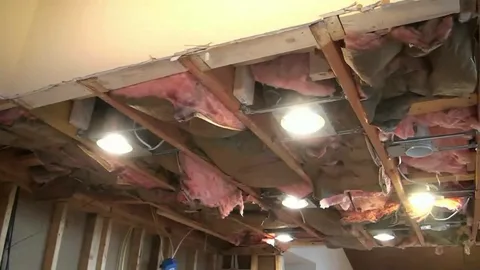
Recessed Light Installation in Cutler Bay, FL Guide
Learn how recessed light installation in Cutler Bay, FL works, where fixtures should go, what electrical factors matter, and which mistakes to avoid.
Lighting affects how a room looks, feels, and functions. Pro-Precision Electrical Contracting LLC handles residential and commercial electrical projects where fixture placement, wiring condition, circuit capacity, and room use all need consideration before installation begins.
Homeowners considering recessed light installation should plan more than the number of fixtures. Ceiling construction, fixture spacing, insulation, existing wiring, switches, dimmers, and room layout can all influence the finished result. In Cutler Bay and Palmetto Bay, a careful electrical assessment can help prevent dark areas, excessive brightness, and unnecessary ceiling work.
What to Plan Before Recessed Light Installation
Start with the purpose of the room. A kitchen needs different lighting than a bedroom, hallway, or living room.
Recessed lights can provide general lighting, task lighting, or accent lighting. Trying to make one layout handle all three jobs often leads to uneven results.
Before installation, review:
- Ceiling height
- Room dimensions
- Existing light fixtures
- Furniture placement
- Cabinets and countertops
- Ceiling fans
- Natural light
- Switch locations
- Available electrical circuits
The goal is balanced lighting rather than simply installing as many fixtures as possible.
Why Recessed Light Installation Requires Careful Spacing
Fixture spacing affects both brightness and appearance. Lights placed too far apart can leave dark zones. Fixtures placed too close together may create harsh pools of light and use more electricity than necessary.
Kitchen lighting often needs extra attention near countertops and work areas. If lights sit directly behind a person standing at the counter, that person may cast a shadow over the work surface.
Living rooms may benefit from wider general coverage combined with lamps or accent lighting.
A recessed light installation in cutler bay fl can also check whether existing circuits can safely support the new fixtures and controls.
Recessed Lighting Options to Compare
Modern recessed lighting comes in several forms. The best choice depends on ceiling construction, available space, desired appearance, and lighting goals.
| Lighting Option | Common Use | Main Consideration |
| Traditional recessed cans | General room lighting | Requires adequate ceiling space |
| Canless LED fixtures | Shallow ceilings and remodels | Compact installation |
| Adjustable fixtures | Artwork or accent areas | Directional light |
| Dimmable LEDs | Living spaces and bedrooms | Requires compatible controls |
| Wet/damp-rated fixtures | Moisture-prone locations | Must match location requirements |
Do not choose fixtures based only on diameter. Brightness, beam spread, color temperature, dimming compatibility, and installation rating also matter.
Color Temperature Can Change How a Room Feels
Two fixtures with similar brightness can make a room look very different depending on color temperature.
Warmer light often works well in bedrooms and living spaces because it creates a softer appearance. Neutral or cooler lighting may provide clearer task visibility in kitchens, garages, or work areas.
Consistency matters. Mixing noticeably different color temperatures across the same open space can make the lighting look unfinished.
Before buying fixtures, consider how recessed lights will work with pendants, under-cabinet lights, ceiling fans, and other fixtures already in the room.
Check Electrical Capacity Before Adding New Loads
New lighting may use efficient LEDs, but homeowners should still think about the broader electrical system.
A remodeling project may include new kitchen appliances, outdoor equipment, or even rapid car charger installation in palmetto bay FL at the same time. These projects can have very different electrical demands.
An electrician should review the panel and circuits when several electrical upgrades are planned together. This helps determine whether the existing system has suitable capacity and whether new dedicated circuits are needed for larger loads.
Planning upgrades together can also reduce the need to reopen walls or revisit electrical pathways later.
Common Recessed Lighting Mistakes
One common mistake is creating a perfect grid without considering furniture, cabinets, or how people actually use the room.
Another is choosing overly bright fixtures and assuming a dimmer will solve everything. Fixture output and spacing should still match the room.
Other common mistakes include:
- Installing fixtures too close to walls
- Creating shadows over kitchen counters
- Ignoring ceiling joists
- Mixing incompatible dimmers and LED fixtures
- Using the wrong fixture rating for the location
- Failing to consider insulation around fixtures
- Adding lights without reviewing circuit capacity
Good lighting should feel natural rather than drawing attention to installation errors.
Best Practices for a Recessed Lighting Project
Create a simple room plan before cutting the ceiling. Mark furniture, counters, cabinets, fans, and existing fixtures.
Then decide where you need general light and where you need stronger task lighting.
Choose fixture specifications before finalizing spacing. Different beam angles and lumen outputs can change how far apart fixtures should sit.
A licensed electrician should also evaluate wiring, connections, switches, and circuit protection before the new lighting becomes part of the electrical system.
After installation, test each lighting zone at different times of day. Dimmer settings may need adjustment depending on natural light and room use.
Actionable Tips Before Installation
Walk through each room in the evening and identify the areas that currently feel too dark.
Then ask:
- Is this room used mainly for tasks or relaxation?
- Where do people sit or stand most often?
- Are there cabinets or fans that affect light placement?
- Do I want dimming controls?
- Will other electrical upgrades happen soon?
- Does the existing circuit have enough capacity?
For homes in Cutler Bay and Palmetto Bay, planning fixture placement before ceiling work begins can reduce patching, relocation, and other avoidable changes.
Conclusion
Successful licensed electricians depend on more than choosing attractive LED fixtures. Room size, spacing, ceiling construction, color temperature, controls, existing wiring, and electrical capacity should all be reviewed before installation begins.
Pro-Precision Electrical Contracting LLC provides full-service electrical work for properties in Cutler Bay and Palmetto Bay. Whether homeowners are planning new lighting, electrical upgrades, or projects such as car charger installation, starting with a clear electrical plan can help the different systems work together safely and efficiently.
FAQs
1. How many recessed lights does a room need?
There is no fixed number. Room size, ceiling height, fixture brightness, beam angle, natural light, and how the room is used all affect the layout.
2. Can recessed lighting be added to an existing ceiling?
Yes, in many cases. Ceiling construction, joist locations, wiring access, and insulation can affect the installation method.
3. Should recessed lights be placed in a perfect grid?
Not always. Fixture placement should support furniture, work areas, cabinets, and room use instead of following a grid without considering function.
4. Do LED recessed lights need a special dimmer?
Some LED fixtures require compatible dimmers. Check the fixture and dimmer specifications before installation to reduce flickering or poor dimming performance.
5. Why should a licensed electrician install recessed lighting?
Recessed lighting involves wiring, circuit connections, fixture ratings, switches, and electrical safety requirements. A qualified electrician can evaluate these factors before completing the installation.