
Reliable Electrical Panel Replacement in Kendall, FL
Learn how electrical panel replacement works in Kendall, FL, including upgrade signs, installation factors, safety checks, and planning for Cutler Bay, FL.
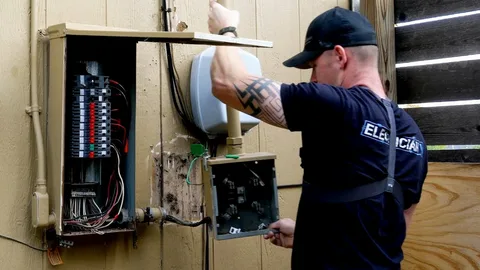
Electrical panels control how power reaches lights, appliances, outlets, and major equipment throughout a property. When a panel becomes outdated, damaged, or too small for the home’s electrical demand, the system may need closer attention. Pro-Precision Electrical Contracting LLC helps property owners understand the planning and safety factors involved in electrical work. Homeowners researching electrical panel replacement in Kendall, FL often want to know when replacement makes sense, how an upgrade differs from a repair, and what the installation process involves.
Modern homes can place greater demands on electrical systems than older properties were designed to handle. New appliances, air conditioning equipment, electric vehicles, home offices, and other additions can increase electrical demand. A panel should match the property’s current needs while allowing room for reasonable future use.
Understanding Electrical Panel Replacement in Kendall, FL
Electrical panel replacement in Kendall, FL involves removing an existing electrical panel and installing a new panel that is appropriate for the property’s electrical system. The need for replacement depends on the panel’s age, condition, capacity, configuration, and compatibility with the rest of the electrical system.
A qualified electrical professional should evaluate the panel before deciding whether replacement is necessary. Some issues may require a repair or component replacement rather than a complete panel change.
Warning signs can include frequent breaker trips, visible scorching, unusual heat around the panel, buzzing sounds, corrosion, damaged breakers, or a lack of available circuit space.
An older panel may also create limitations when homeowners want to add new circuits. A property with an aging electrical system may require broader evaluation before installing high-demand equipment.
Electrical Panel Upgrade in Cutler Bay, FL
An electrical panel upgrade in Cutler Bay, FL can provide additional capacity when a property’s electrical requirements have changed. An upgrade may involve replacing the existing panel with equipment that supports more circuits or a higher electrical capacity.
Homeowners may consider an upgrade when planning additions such as an electric vehicle charger, new HVAC equipment, kitchen appliances, workshop equipment, or other high-demand electrical loads.
However, a larger panel does not automatically solve every electrical capacity problem. The service entrance, meter, wiring, grounding, and other components must also support the planned electrical load.
A load assessment can help determine whether the existing electrical service can accommodate the property’s requirements. This step can prevent homeowners from selecting equipment based only on the number of breaker spaces available.
Electrical Panel Installation in Cutler Bay, FL
Electrical panel installation in Cutler Bay, FL requires careful coordination between the new panel and the property’s existing electrical system. The installation involves more than mounting a new enclosure and installing breakers.
The electrician must account for circuit connections, conductor sizes, grounding and bonding, labeling, breaker compatibility, and applicable electrical requirements.
The panel location also matters. It should remain accessible for inspection, maintenance, and emergency shutoff. A crowded or obstructed panel can make future electrical work more difficult.
After installation, circuits should receive appropriate checks and labeling. Clear labeling helps property owners identify which breaker controls each part of the building.
Signs Your Electrical Panel Needs Attention
Homeowners should pay attention to changes in electrical performance. Frequent breaker trips may indicate overloaded circuits, faulty equipment, wiring problems, or other electrical conditions.
Lights that flicker when major appliances operate can also deserve evaluation, especially when the issue occurs repeatedly.
Physical signs around the panel require particular attention. Discoloration, burning odors, melted components, corrosion, or unusual warmth can indicate a potentially serious problem.
A shortage of breaker spaces does not always mean the entire panel has failed, but it can indicate that the existing setup no longer fits the property’s electrical needs.
Homeowners should never remove the panel cover or handle exposed electrical components themselves. Electrical panels contain energized parts that can present serious hazards.
Comparing Panel Repair, Upgrade, and Replacement
| Electrical Option | Main Purpose | When It May Apply |
| Panel Repair | Corrects a specific issue | Localized component or connection problem |
| Electrical Panel Upgrade | Adds capacity or modernizes equipment | Increased electrical demand |
| Panel Replacement | Replaces an unsuitable or damaged panel | Significant age, damage, or compatibility concerns |
| Circuit Addition | Adds a dedicated circuit | New appliance or equipment |
The appropriate approach depends on the condition of the electrical system and the property’s current and planned electrical requirements.
Common Electrical Panel Mistakes
One common mistake is choosing a new panel based only on capacity. A higher-capacity panel must work with the property’s service and wiring.
Another mistake is adding new high-demand equipment without evaluating the existing electrical load. Air conditioning systems, EV chargers, electric ranges, and other equipment can require dedicated circuits or additional capacity.
Poor labeling creates another issue. When breakers are not clearly identified, homeowners may struggle to shut off the correct circuit during maintenance or an emergency.
Ignoring visible damage can also create unnecessary risk. Scorch marks, unusual odors, buzzing, or excessive heat should receive prompt professional attention.
Attempting panel replacement as a DIY project is another serious mistake. Electrical panel work involves energized equipment and requires appropriate knowledge, tools, and compliance with applicable requirements.
Best Practices for Electrical Panels
Keep the area around the electrical panel clear. Property owners and electricians need sufficient access for inspection and maintenance.
Do not store boxes, furniture, chemicals, or other materials directly in front of the panel.
Keep a current circuit directory inside or near the panel. Update it when circuits change so the labels continue to match the actual electrical system.
When planning renovations, tell the electrical contractor about future equipment before work begins. Early planning can help determine whether additional circuits or service capacity may be necessary.
Homeowners should also keep records of panel replacements, upgrades, major electrical work, and inspections. This information can help during future renovations or property transactions.
Actionable Tips Before a Panel Project
Start by listing the major electrical equipment currently operating in the property. Include HVAC systems, water heaters, kitchen appliances, EV chargers, workshops, and other significant loads.
Note any recurring breaker trips, flickering lights, unusual sounds, or other electrical changes. These details can help during the initial evaluation.
Keep the panel area accessible before the appointment. Remove stored items that could interfere with inspection or installation.
Ask which parts of the electrical system the project includes. A clear scope should explain the panel, breakers, circuit work, grounding, labeling, and any related electrical changes.
If you plan to add major electrical equipment later, mention those plans before the panel is selected.
Factors That Affect Panel Performance
Panel performance depends on equipment condition, electrical load, breaker compatibility, conductor sizing, service capacity, grounding, connections, and installation quality.
The building’s age and previous electrical modifications can also influence the project. Older properties may contain wiring or electrical components that require additional evaluation.
Future electrical demand matters as well. A panel that meets today’s needs may become restrictive if the property later adds high-demand equipment.
A complete evaluation helps connect the panel with the rest of the electrical system rather than treating it as an isolated component.
Conclusion
Electrical panel replacement in Kendall, FL requires careful evaluation of the existing panel, electrical load, service capacity, wiring, grounding, and future power requirements. Replacement may be appropriate for an outdated or damaged panel, while some properties may only need a targeted repair or upgrade.
For property owners in Kendall, FL and Cutler Bay, FL, understanding electrical panel upgrades in Cutler Bay, FL and electrical panel installation in Cutler Bay, FL can help clarify the factors involved before electrical work begins. Pro-Precision Electrical Contracting LLC approaches panel projects with attention to system capacity, equipment compatibility, installation details, safety, and long-term electrical needs.
FAQ
When should an electrical panel be replaced?
Replacement may become necessary when a panel has significant damage, compatibility problems, inadequate capacity, or other conditions that make continued use unsuitable. A professional evaluation should determine the appropriate solution.
What is the difference between a panel upgrade and replacement?
An upgrade generally increases or modernizes electrical capacity, while replacement involves removing the existing panel and installing new equipment. The two terms can overlap depending on the project.
Can a new electrical panel support an EV charger?
It may, but the property’s total electrical load and service capacity should be evaluated first. An EV charger may require a dedicated circuit and additional electrical capacity.
What are signs of an electrical panel problem?
Frequent breaker trips, buzzing, unusual heat, burning odors, scorch marks, corrosion, damaged breakers, and insufficient circuit space can indicate that the panel needs professional evaluation.
How can I prepare for an electrical panel installation?
Keep the panel area accessible, document electrical problems, list major appliances and equipment, and tell the electrician about planned additions such as HVAC equipment or an EV charger.